
Best Houseplants for Different Home Environments

Every home creates a unique growing environment. Light, airflow, humidity, and temperature shape how plants respond once they come indoors. Two homes that look similar can produce very different results for the same plant.
Understanding houseplants for different home environments isn’t about correcting mistakes. It’s about choosing plants that naturally align with the space they live in.
Why Environment Shapes Plant Success
Plants respond to the conditions around them, not effort alone. Light intensity, humidity, airflow, and seasonal shifts all influence how a plant grows indoors. When a plant matches its environment, care becomes simpler and more predictable.
Selecting plants suited to your space from the start leads to healthier growth and more confidence in your care routine.
Apartments: Steady Temperatures and Softer Light
Apartments often offer consistent temperatures year-round, which many plants appreciate. Light may be more limited due to window size, shade, or orientation. In these spaces, plants that tolerate lower light and slow, even growth tend to thrive.
Good choices for apartment conditions (medium to lower light or adaptable):
Assorted Hoya – Durable waxy leaves and trailing growth that adapts to bright indirect or moderate light.
Assorted Bromeliads – Bright foliage and low-maintenance watering needs perform well in indirect light.
Assorted Cacti (for brighter apartment spots) – Hardy and minimal watering, perfect if you have a well-lit sill.
Calathea Assorted – striking patterned foliage that does well in medium to bright indirect light and appreciates slightly higher humidity.
These plants are forgiving of gradual light changes and don’t require intense sun. Ideal for apartment windowsills, shelves, or cozy corners.
Older Homes: Variability and Natural Shifts
Older homes often feature varied airflow, uneven insulation, and room-to-room temperature changes. In these spaces, plants with flexible needs and resilient foliage usually perform best.
Good choices for older homes:
Assorted Croton – Bold, colorful foliage that thrives in bright indirect light and adapts to typical indoor variations.
Philodendron varieties (e.g., Philodendron Pink Princess, Ring of Fire, Billietiae Croat) – classic indoor plants that grow steadily under changing conditions. Thistle & Horn Plant Boutique
Sansevieria (Snake Plant) Silver Flame or Silver Streak – legendary adaptability and tolerance for inconsistent light.
Syngonium Holly or Pink Allusion – easygoing climbers that accommodate shifts in temperature and light.
These options handle typical indoor fluctuations and reward observation over constant relocation.
Homes With Drier Air
Many homes, especially during winter with heating systems, develop dry indoor air. Plants with thicker leaves or natural water storage usually handle dryness best.
Good choices for dry conditions:
Assorted Cacti – desert-hardy varieties that prefer bright, dry conditions.
Sansevieria La Rubia or Silver Flame – succulent-like leaves that retain moisture and withstand dry air.
Xanthosoma Lindenii Magnificum (Elephant Ear relative) – can tolerate less frequent watering and fits bright to medium indirect light.
Lower humidity becomes less of an issue when you choose plants built for those conditions.
Mixed and Modern Environments
Many homes combine features. Some spaces with abundant natural light, others with calm, shaded corners, or open floor plans that shift airflow and light throughout the day. In these spaces, observation matters more than labels. Notice where light falls, how quickly soil dries, and which rooms remain consistent.
Good choices for versatile spaces:
Philodendron Pink Princess & other Philodendrons – adapt to a range of light from medium to bright indirect.
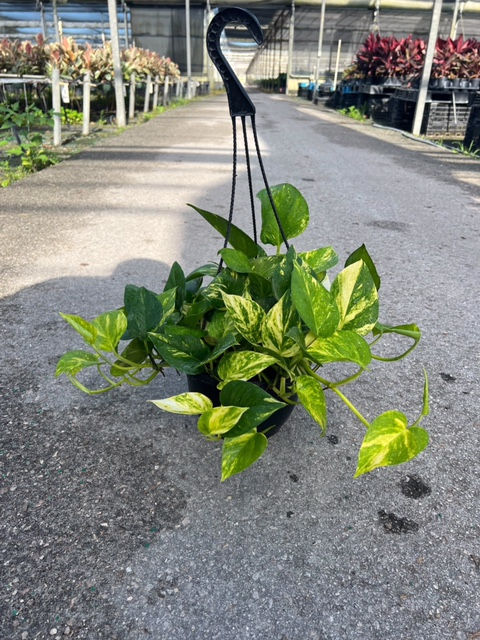
Pothos or Epipremnum Pinnatum Albo – forgiving, tolerant of varied light, and an easy trail or climb.
Aglaonema Manila Pride or Juliette – hardy, typically fine in medium indirect light.
These plants perform well even when your environment doesn’t fit a neat category.
Matching the Plant to the Space
Successful plant care comes from alignment, not effort alone. When you choose plants that suit your home’s conditions, care becomes clearer and more rewarding.
Think of plants as residents of a space, not projects to fix the environment. When light, humidity, airflow, and routine care all align with a plant’s natural preferences, growth feels steady and stress-free.

Comments